Despite the war, we have resumed operations and ship spare parts worldwide.
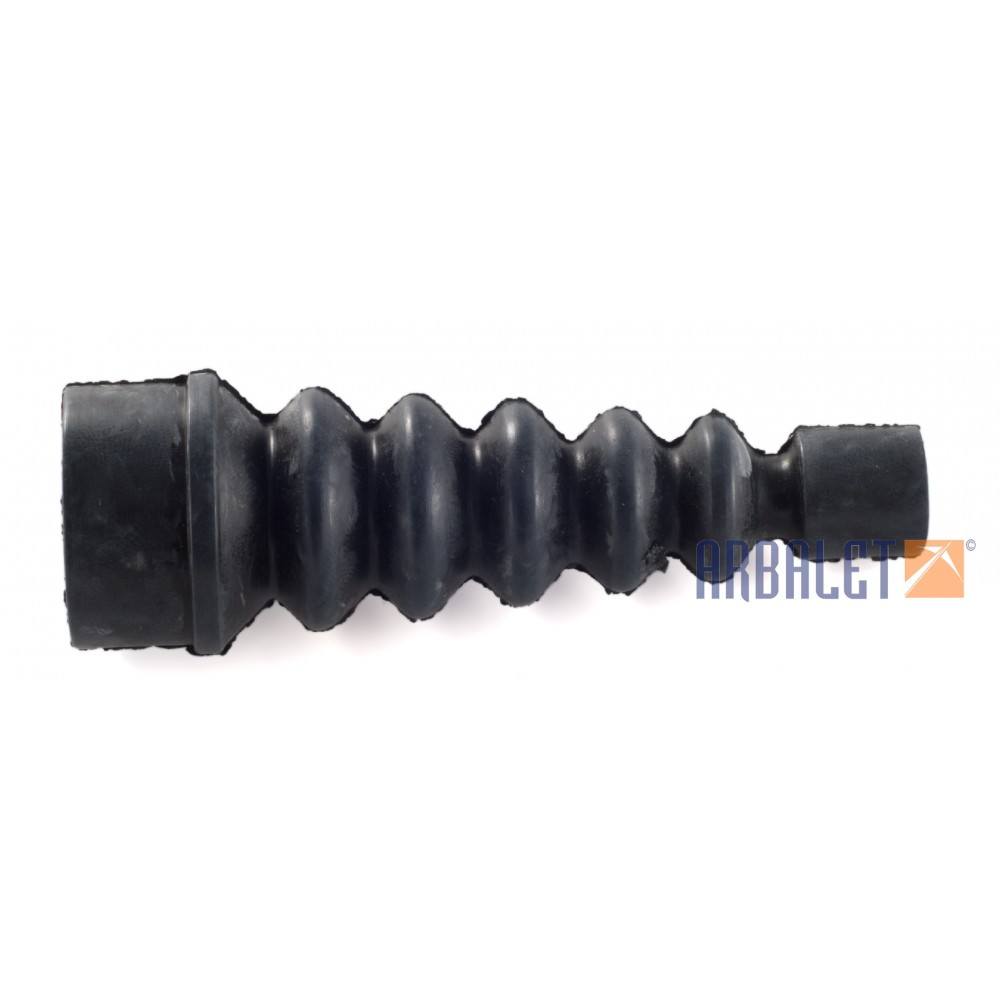
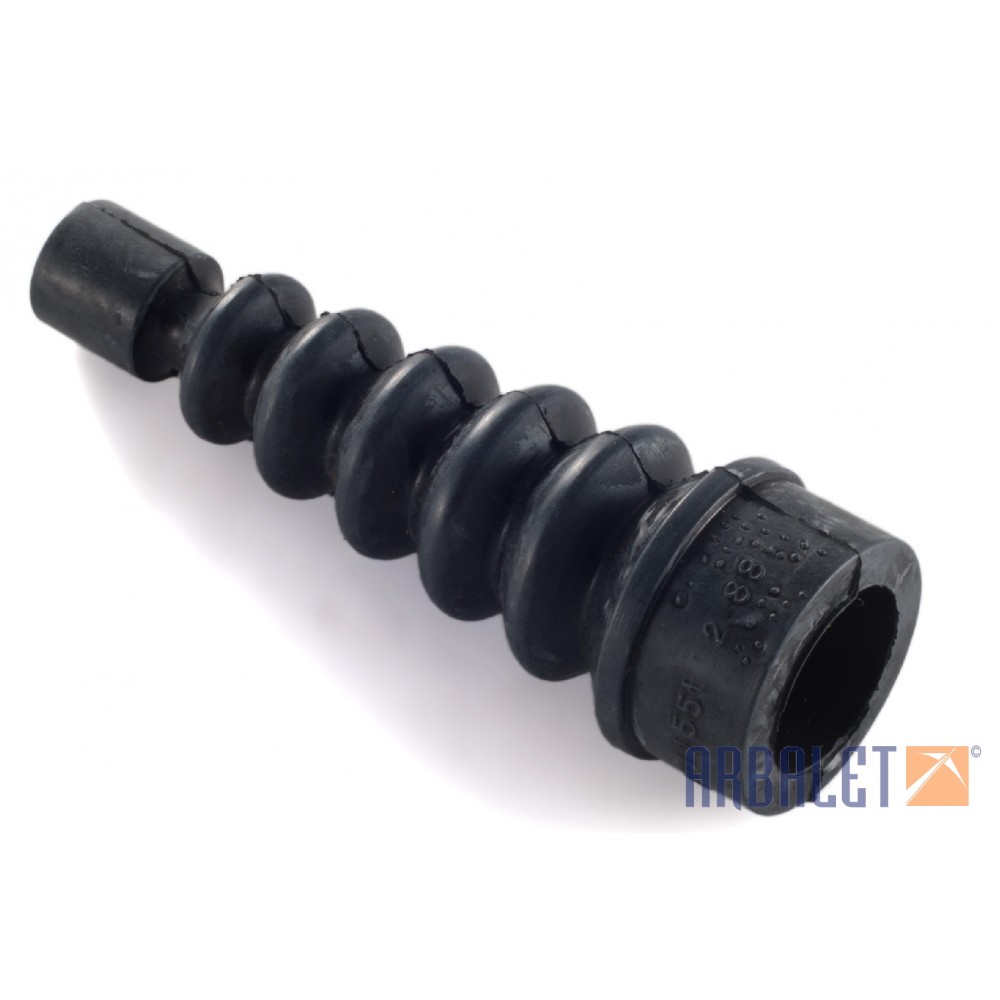
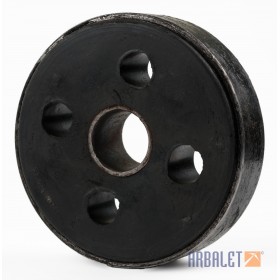
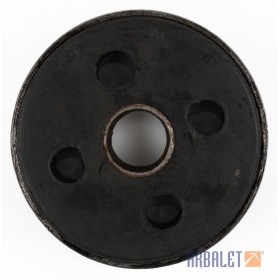
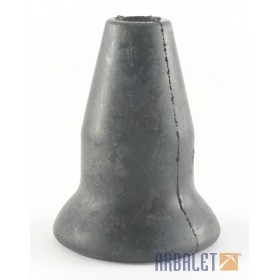
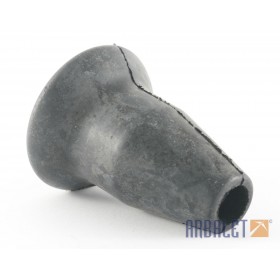
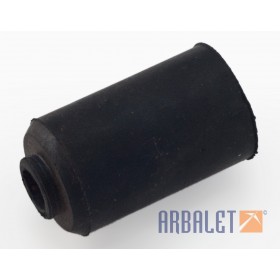
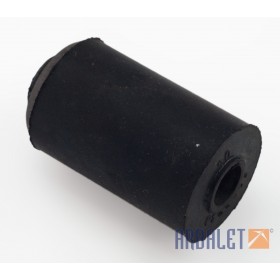
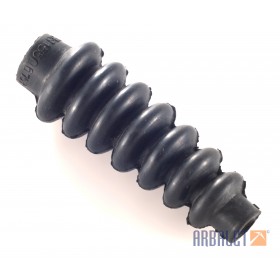
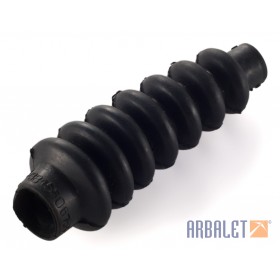
Rear Tie-rod Coupling (72H11551)
- Compatibility: Dnepr 11/16, K-750, MB750, MT10-36, MT9
- Availability: In Stock
-
$1.45
- Taxes are not included
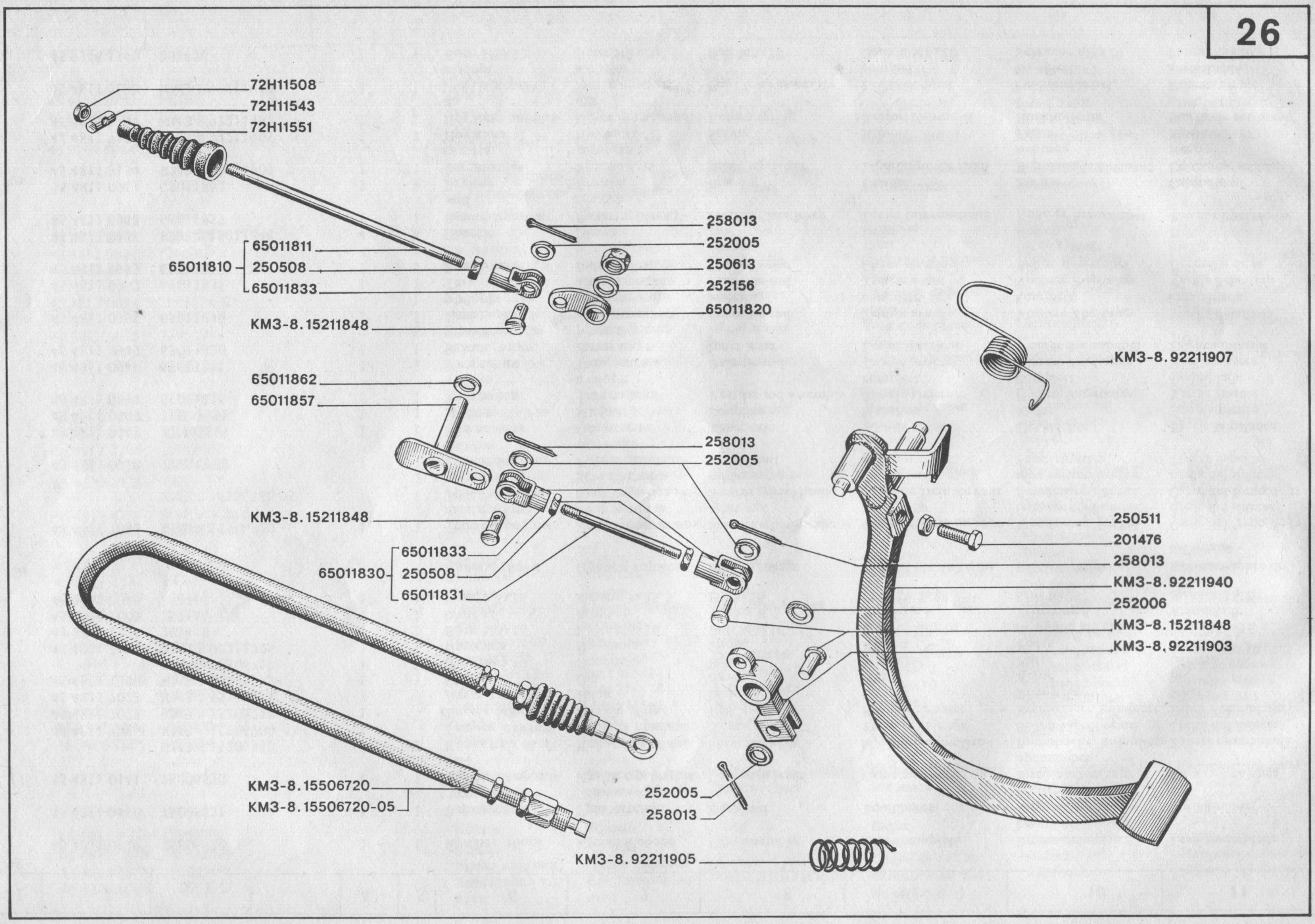
Short Description: A high-quality protective rubber boot designed to shield your rear brake linkage from environmental contaminants. This essential component prevents premature wear and ensures the long-term reliability of your motorcycle's braking system.
Technical Specifications:
- Compatibility: Dnepr MT-11 (and compatible MT series models)
- Manufacturer Code / SKU: 72H11551
- Part Type: Braking System / Chassis
Purpose and Role in the Motorcycle (based on the original manual):
The Rear Tie-rod Coupling serves as a critical protective gaiter for the rear wheel brake tie-rod assembly. In the Dnepr MT-11's heavy-duty braking architecture—where the rear and sidecar wheel brakes are operated via a shared linkage (as detailed in Figure 29 of the technical manual)—the tie-rod is highly exposed to road grit, water, and dust. The primary role of this coupling is to create a hermetic seal around the moving joints, preventing abrasive particles from entering the mechanism and keeping essential lubricants (such as Litol-24) trapped inside. When this boot becomes cracked, brittle, or torn, contaminants enter the joint, leading to accelerated corrosion and mechanical friction. This often manifests as a "stiff" brake pedal, increased free travel, or a grating noise during braking, indicating that the part must be replaced to restore the system's fluid operation.
Benefits of Buying:
- Exact match to factory specifications: Engineered as an OEM-standard replacement to ensure a perfect fit and seamless integration with the original rear brake linkage.
- Extended Component Lifespan: By blocking moisture and debris, it significantly reduces the wear rate of the tie-rod and pivot pins, saving you from costly mechanical overhauls.
- Enhanced Safety and Consistency: Maintains a clean, lubricated braking environment, ensuring that the braking force is transmitted predictably and efficiently from the pedal to the wheels.
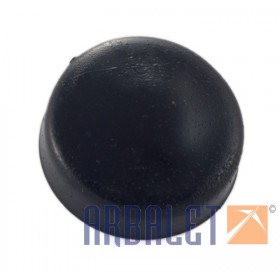
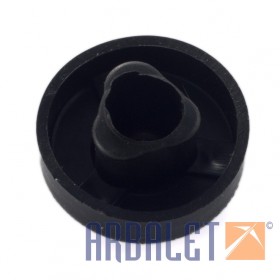
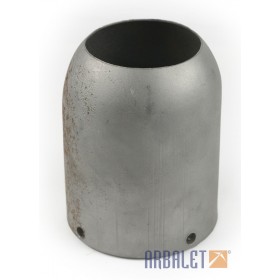
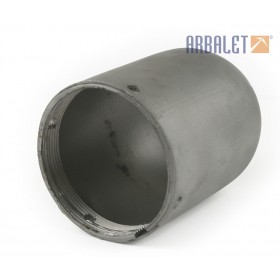
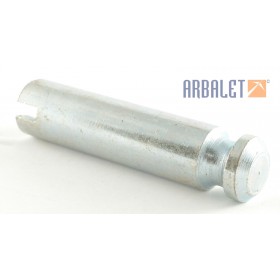
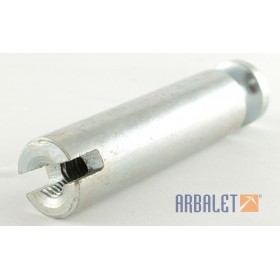
Plug (75005137)
$0.95